One Month, One Coastline: How Montauk Can Turn Anyone Into a Sailor
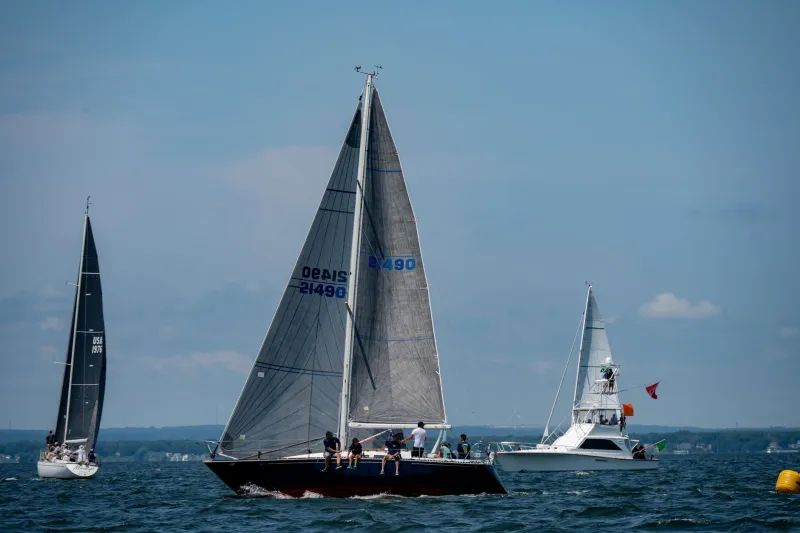
Let's get something out of the way right up front: this is not a plan for people who want to buy a boat by the end of the month. It's not a crash course in celestial navigation or a weekend regatta training camp. This is something more fundamental — a thirty-day framework for shifting the way you think about the ocean, about your own physical capabilities, and about what it actually means to live close to the water.
Montauk is the right place for this. Not just because it's beautiful, though it absolutely is. Not just because the sailing is world-class, though it happens to be. But because Montauk has a texture to it — a mix of working waterfront grit and natural grandeur — that has a way of recalibrating your sense of what matters. People come here for a weekend and end up rearranging their lives. It happens more often than you'd think.
Here's how to make the most of thirty days.
Week One: Show Up and Pay Attention
Don't try to do too much in the first week. Seriously. The biggest mistake first-timers make is arriving with a packed itinerary that keeps them moving from activity to activity without ever actually settling in. Coastal living isn't about constant stimulation — it's about learning to read a place.
Spend your first few mornings at the docks. Montauk's commercial fishing fleet heads out before sunrise, and watching that choreography — the way experienced mariners move around a boat, communicate without talking, and read the water and sky with an almost unconscious fluency — is its own kind of education. Grab a coffee from one of the spots near the harbor and just watch. Ask questions when people seem open to it. Most working fishermen and charter captains are genuinely happy to talk if you approach them with curiosity rather than entitlement.
By the end of the first week, your goal is simple: learn to identify wind direction without looking at your phone, recognize the difference between a flood and ebb tide by watching the water move, and memorize the basic layout of Montauk Harbor well enough to give someone directions.
These feel like small things. They're not.
Week Two: Get Your Hands on a Boat
Montauk has no shortage of ways to get on the water, and not all of them require a sailing background or a large budget. This is the week to start exploring those options.
A half-day sailing charter is the most direct entry point. Several local operators offer introductory sails where the crew handles everything while you ride along, ask questions, and get a feel for how a sailboat actually moves through the water. The goal here isn't to learn to sail — it's to experience it with your whole body. Notice how the boat heels when the wind fills the sails. Feel the difference between sailing upwind and running downwind. Pay attention to how the crew talks to each other and to the boat.
If budget is a concern, look into crewing opportunities. Montauk's sailing community is active and generally welcoming to motivated beginners willing to do some work in exchange for time on the water. Post on local sailing forums or check the bulletin boards at the marina. You might be surprised how quickly an offer comes through.
Midweek, rent a kayak or a paddleboard and spend a few hours exploring the shoreline at water level. This sounds like a detour from sailing, but it isn't. Understanding how the coastline looks and feels from a few inches above the waterline — the way currents pull around points, how the wind creates texture on the surface, where the water changes color as the depth drops off — builds the kind of spatial awareness that makes you a better sailor long before you touch a tiller.
Week Three: Push Past Comfortable
By now, you've got some sea legs and a loose grasp of the basics. Week three is where the real work happens.
Sign up for a formal lesson. The American Sailing Association's Basic Keelboat Certification (ASA 101) can be completed in a weekend, and several Montauk-area sailing schools offer it on a rolling basis. This is the part of the plan that some people resist — it feels too structured, too much like school. Get over it. Having the vocabulary and the foundational skills makes every subsequent experience on the water dramatically richer.
Outside of formal instruction, challenge yourself to do at least one thing each day that requires genuine engagement with the maritime environment. Walk the beach in a building storm and study how the waves change. Get up before dawn and watch the fog burn off the harbor. Learn to tie a bowline, a cleat hitch, and a figure-eight knot until you can do them without thinking. These aren't arbitrary tasks — they're the building blocks of a genuinely maritime mindset.
"I came to Montauk thinking I'd spend a month relaxing and maybe take a sailing lesson or two," says one visitor who made this kind of extended stay a few summers ago. "By week three, I was crewing on a friend's boat three mornings a week and completely rethinking my relationship with my job, my schedule, everything. The water does something to your priorities."
That's not unusual. It's actually kind of the point.
Week Four: Make It Yours
The final week is less about structured activities and more about integration. By now, you have context. You know the harbor. You know some people. You have a feel for the rhythms of tidal and weather cycles. The goal this week is to stop being a visitor and start being someone who belongs here.
Plan a full-day sail — either crewing on a friend's boat, chartering with a captain, or, if your ASA 101 is done and you're feeling confident, taking the helm of a bareboat charter in sheltered water with an instructor aboard. This isn't about proving anything. It's about experiencing the cumulative effect of everything the past three weeks have taught you.
Spend an evening at one of the local sailing club events or informal dock gatherings that happen throughout the summer. These aren't exclusive or intimidating — they're just people who love being on the water, sharing stories and cold drinks. Show up, be honest about where you are in your journey, and listen more than you talk.
End the month by writing down — actually writing, pen on paper — what the water has taught you. About patience. About reading conditions you can't control. About the particular satisfaction of moving through the world under wind power. About Montauk.
The Real Takeaway
Sailing isn't a hobby that requires wealth or a lifetime of experience to access. What it requires is attention, a little courage, and the willingness to put yourself in environments where the ocean is the teacher. Montauk provides all of those conditions in abundance.
Thirty days here won't make you a bluewater cruiser. But it will change how you see the coastline, how you think about weather, and — if you let it — how you think about yourself. That's a pretty good return on a month of your time.
The Sail Inn is always here when you're ready to come back.