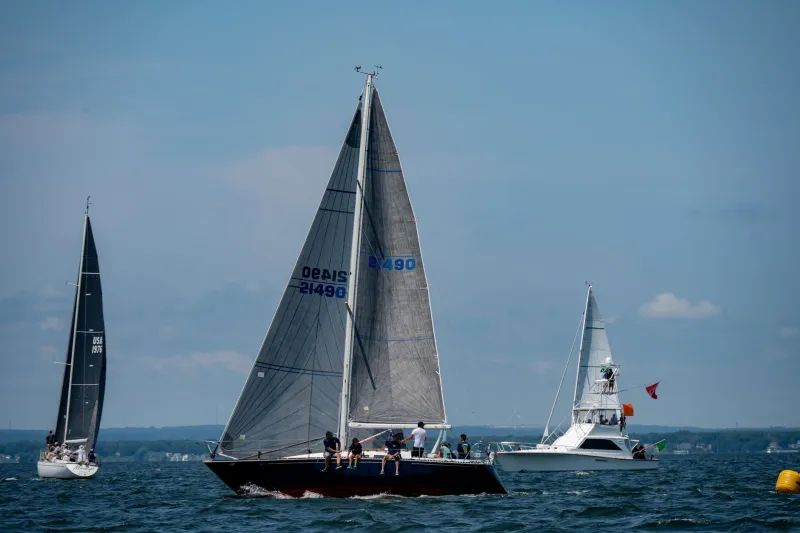
Off the Beaten Wake: Montauk's Best-Kept Anchorages for the Adventurous Sailor
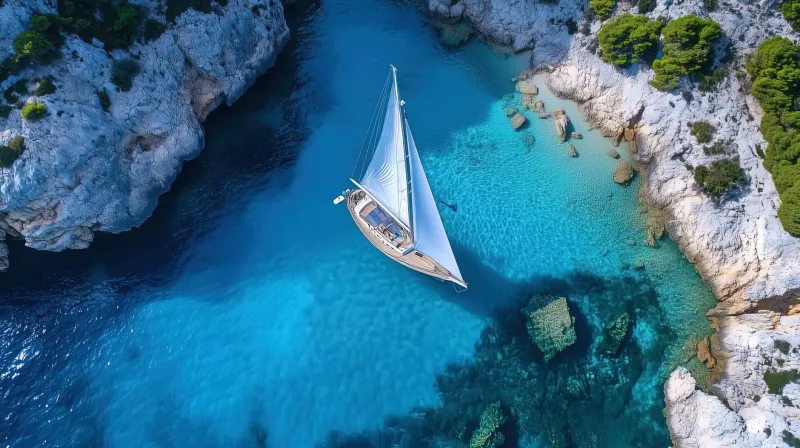
Most sailors pulling into Montauk for the first time make a beeline for Fort Pond Bay or one of the commercial marinas lining the harbor. And honestly? That's fine. The facilities are solid, the restaurants are close, and the sunsets over the bay are genuinely hard to beat. But if you've done that circuit a few times and you're ready to trade convenience for something a little more special, Montauk has a quieter side that most boaters never get to see.
We talked to local sailors, charter captains, and a few folks who've been anchoring these waters for decades. What they shared doesn't show up in any app or cruising guide. Consider this your invitation to explore Montauk the way it was meant to be experienced — from the water, on your own terms.
Lake Montauk's Inner Basin: The Local's Living Room
Yes, Lake Montauk is technically a well-trafficked body of water. But here's the thing: most transient boaters anchor near the entrance and call it a day. If you push a little deeper into the northern reaches of the lake — past the commercial fishing docks and away from the ferry traffic — you'll find pockets of calm water with surprising solitude, especially on weekday evenings.
Draft matters here. Boats drawing more than five feet should approach carefully and consult the most current NOAA charts, as shoaling is a real and ongoing concern. But for shallow-draft vessels and well-prepared skippers, the payoff is a sheltered overnight with almost no wake, a front-row seat to Montauk's working waterfront, and surprisingly dark skies once the marina lights dim.
Best season: Late May through mid-June, before the summer crowds arrive in force. September is equally rewarding — the water's still warm but the anchorage thins out dramatically after Labor Day.
Shagwong Point: Wind Shadow and Wild Views
Shagwong Point, tucked along the northeastern edge of Montauk, is one of those spots that rewards patience. The approach from Gardiner's Bay requires attention — there are shoal patches that will catch you off guard if you're moving fast or relying on outdated charts. Slow down, watch your depth sounder, and favor the deeper water to the east as you work your way around the point.
Once you're settled, though, the reward is immediate. The bluffs rise sharply to the south, the water takes on that particular shade of green-blue that photographers chase all summer, and on a clear evening, you can watch the light shift over Gardiner's Island in the distance. It's one of the few anchorages on the East End where you genuinely feel like you've earned your view.
There are no amenities here — no launch service, no nearby dinghy dock, no convenience store within walking distance. That's the point. Come prepared with enough provisions for at least two nights, and bring your patience. Weather can build quickly around the point, and a northeast blow can make things uncomfortable. Have an exit plan.
Local tip: The fishing around Shagwong is exceptional in October. Striped bass stack up along the rip as the water cools, and more than a few sailors have pulled dinner straight off the stern rail while anchored here.
Napeague Harbor: The Forgotten Anchorage
Driving along Route 27 between Amagansett and Montauk, most people barely notice the narrow strip of water tucked between the highway and the ocean. From the road, Napeague Harbor looks like little more than a marshy backwater. From the water, it's an entirely different story.
Entering from Gardiner's Bay, the harbor opens up into a shallow, protected basin ringed by osprey nests, saltmarsh grasses, and the kind of stillness that makes you forget your phone exists. This is not a spot for deep-keel boats — drafts over four feet will struggle, and low tide can strand the unwary. But for shoal-draft sailboats, motor-sailors, and well-found dinghies, Napeague Harbor is a genuine gem.
Overnight anchoring here feels almost primordial. There are no lights from nearby development, the birdlife is extraordinary at dawn, and the sandbar on the eastern edge of the harbor dries at low water to create a natural beach that you'll almost certainly have entirely to yourself. Pack a paddleboard or a kayak, and you've got a full day's entertainment without leaving the anchorage.
Navigation note: The entrance channel shifts seasonally. Check with local harbormaster offices or the Coast Guard Auxiliary station in Montauk before your first visit, and don't attempt the approach in poor visibility or a strong onshore breeze.
Star Island and the Western Shore: Crowd-Free in Plain Sight
Here's a counterintuitive one. The western shore of Lake Montauk, near Star Island, sits within easy dinghy distance of restaurants and a marine supply store — yet it consistently sees fewer boats than the more exposed anchorages closer to the harbor entrance. Part of that is perception: sailors assume anything near a marina will be crowded and noisy. In practice, the protected cove just west of Star Island offers reasonable holding in soft sand, good wind protection from the northwest, and a manageable swim to the beach.
This is a particularly good choice for first-time Montauk visitors who want some solitude without completely giving up access to shore-side amenities. It's also worth noting that the holding here is generally better than the open-bay anchorages, making it a smarter choice if there's any weather in the forecast.
Practical Notes for Anchoring Around Montauk
A few things worth repeating before you go:
Charts and tides matter more here than almost anywhere else on the East End. The combination of shifting sandbars, strong tidal currents, and seasonal changes to the bottom means that a chart from two seasons ago may not tell the whole story. NOAA's updated raster charts, combined with a good cruising app like Navionics or C-MAP, will serve you better than paper alone.
Respect the marine sanctuaries. Several areas around Montauk fall within or adjacent to state-designated marine protected zones. Anchoring restrictions apply in some of these areas, particularly during the spring bird nesting season. Check before you drop the hook.
Dinghy etiquette goes a long way. Many of the quieter anchorages described here are near private property or sensitive habitat. Keep your dinghy landings to designated public beaches, and pack out whatever you bring in. These spots stay beautiful because the people who know about them treat them that way.
Montauk is one of those rare places where the best experiences are still earned rather than purchased. The sailors who take the time to explore beyond the obvious anchorages almost always come back with a different relationship to this stretch of coastline — one that's harder to explain than to simply go experience for yourself.