When the Crowds Clear and the Wind Picks Up: Making the Most of Autumn Sailing in Montauk
Ask any longtime Montauk sailor when they do their best sailing, and chances are they won't say July. They'll pause, maybe look out toward the water, and tell you it's October. Maybe late September on a good year. The summer crowds are gone, the marinas aren't packed three boats deep, and the wind — oh, the wind — has finally found its rhythm after months of fickle summer thermals.
Fall is Montauk's open secret. The tourists who chase beach weather don't know what they're missing, and the sailors who do know aren't exactly rushing to broadcast it. But if you're the kind of person who'd rather feel a 15-knot northwest breeze on your face than fight for a parking spot at the lighthouse, this season was made for you.
The Wind Finally Gets Serious
Summer sailing in the Northeast is beautiful, but it's inconsistent. The wind builds in the afternoon with sea breezes, dies at sunset, and can disappear entirely for days at a time during heat waves. You spend a lot of time motoring.
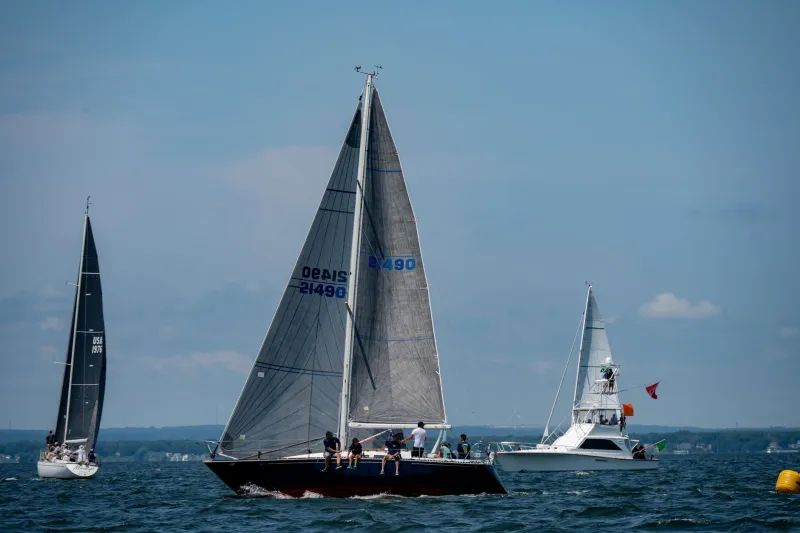
Fall changes everything. As the Bermuda High that dominates summer weather patterns retreats southward, the mid-Atlantic coast comes under the influence of stronger, more reliable pressure systems. Northwest winds follow cold fronts through with impressive regularity — clear-sky days with sustained 12 to 20 knots that make for exhilarating sailing without the anxiety of a full storm. These are the days that put a grin on a sailor's face: enough wind to really move, manageable seas, and that particular quality of autumn light that makes everything look like a painting.
September tends to hold onto summer's warmth while introducing fall's reliability. October is the sweet spot — consistent wind, comfortable temperatures for sailing (think layering, not suffering), and an atmosphere that's hard to describe but impossible to forget. November pushes into serious territory, with cold fronts packing more punch, but for experienced sailors who dress appropriately, it offers some of the most dramatic and rewarding passages of the year.
Fewer Boats, More Water
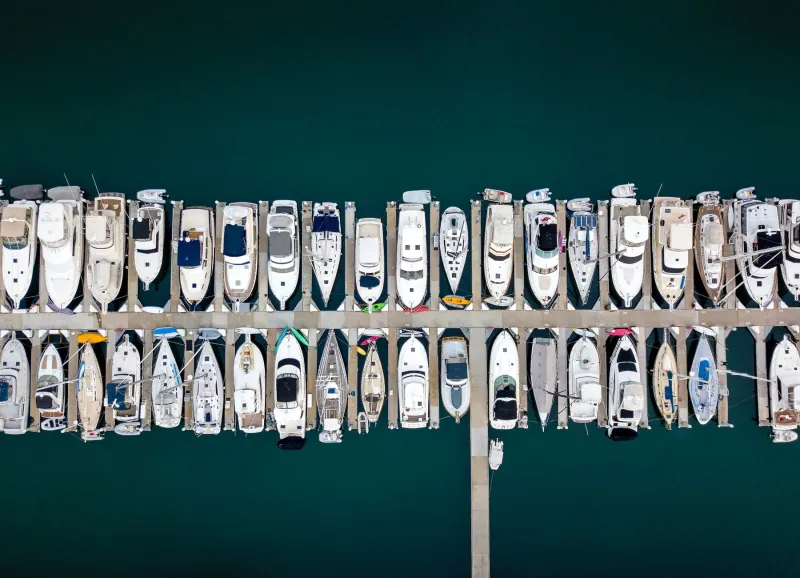
At peak summer, Montauk's harbor can feel like a floating parking lot. Slips fill up by Thursday afternoon on holiday weekends. Anchorages get crowded. The channel sees steady traffic from fishing boats, ferries, and weekend cruisers all jostling for position.
By mid-September, that pressure evaporates. Charter boats scale back their schedules. Day-trippers disappear. The anchorages that were shoulder-to-shoulder in August become peaceful retreats where you might swing at anchor with just a handful of other boats in sight. Dockside service is faster, marina staff are more relaxed, and you can actually get a slip reservation without planning weeks in advance.
For cruising sailors making passage along the coast, fall is when Montauk transitions from a busy waypoint to a genuine destination. It's worth stopping for more than fuel and a quick dinner. Spend a few nights, explore the harbor at a slower pace, and get to know the town as the locals experience it — which is to say, without the summer circus.
The Marine Life Puts on a Show
Fall migration is one of the Northeast's great natural spectacles, and from the water, you get a front-row seat. Striped bass begin their southward migration in earnest through October, and the blitz fishing — when bass and bluefish drive bait to the surface in frenzied feeding activity — is visible from offshore as birds dive and the water churns. You don't need to be a fisherman to appreciate the raw energy of a blitz happening fifty yards off your beam.
Whales are another autumn bonus. Humpbacks and fin whales follow bait concentrations along the outer edge of the continental shelf, and sightings within reasonable distance of Montauk Point become more common as the season progresses. There's nothing quite like sailing offshore and having a humpback surface close enough to hear it breathe.
The water itself takes on a different character in fall. It's clearer than it was in summer, often a deeper blue-green that photographers love. The bioluminescence — that magical glow in the water at night — can be spectacular in September and October. If you're anchored out on a calm fall evening and you drag your hand through the water, the light show might genuinely surprise you.
What to Wear, What to Bring, What to Expect
Fall sailing in Montauk is not the same as summer sailing in Montauk, and dressing appropriately is the difference between a memorable trip and a miserable one. Water temperatures drop through the season — from the low 70s in September to the upper 50s by November — which means a capsize or an unexpected swim carries real consequences. A properly fitted PFD and, for later in the season, a wetsuit or drysuit should be part of your gear calculus.
On deck, layering is everything. A base layer that wicks moisture, a mid-layer for insulation, and a waterproof shell that handles spray — that's the standard formula. Foul weather gear isn't optional in October and November; it's basic equipment. Hands and head lose heat fast on a cold, breezy day, so gloves and a warm hat are worth throwing in the bag even if the morning looks calm.
For provisioning, fall is the season to lean into local flavor. Farm stands on the East End are at their peak through October, stocked with everything from fresh vegetables to cider to local cheeses. Stopping at one before heading to the boat is a small ritual that makes the whole trip feel more grounded in the place. Montauk's restaurants thin out but the good ones stay open, and reservations are suddenly possible without a two-week lead time.
Planning Your Fall Passage
If you're sailing to Montauk from points west — say, from Long Island Sound or New York Harbor — fall timing takes some thought. The same frontal systems that provide excellent sailing conditions can also bring strong winds and building seas, particularly as October gives way to November. Checking multiple weather sources, understanding the forecast beyond the next 24 hours, and building flexibility into your schedule are essential habits.
The good news is that northwest winds, which dominate after cold fronts, offer a favorable slant for eastbound passages from the Sound through the Race and around the Point. Coming from the west on a post-frontal day can be genuinely fast and fun sailing. The return trip westward typically means waiting for the next system to come through and the wind to clock around.
For those flying or driving out to Montauk and chartering locally, September and early October offer the best combination of reliable conditions and comfortable temperatures. Mid-to-late October adds drama and intensity. November is for the dedicated.
The Feeling That's Hard to Put Into Words
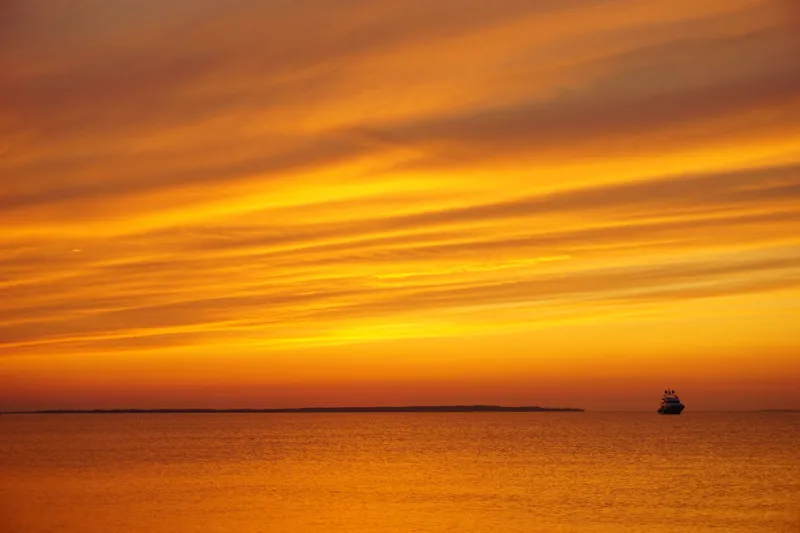
There's something about Montauk in the fall that's difficult to fully explain to someone who hasn't experienced it. The light is lower and warmer, casting long shadows across the water by mid-afternoon. The air smells different — cleaner, sharper, with a hint of woodsmoke from the houses above the bluffs. The harbor is quieter in a way that feels earned rather than empty.
The sailors who are out there in October have made a deliberate choice. They're not here because it's convenient or because everyone else is doing it. They're here because they know something. They've done the math on what the season offers and decided it's worth a fleece jacket and an earlier sunset. Most of them will tell you, without much hesitation, that it's the best sailing of the year.
They're not wrong.