So You Want to Buy a Sailboat: A First-Timer's Honest Roadmap in Montauk
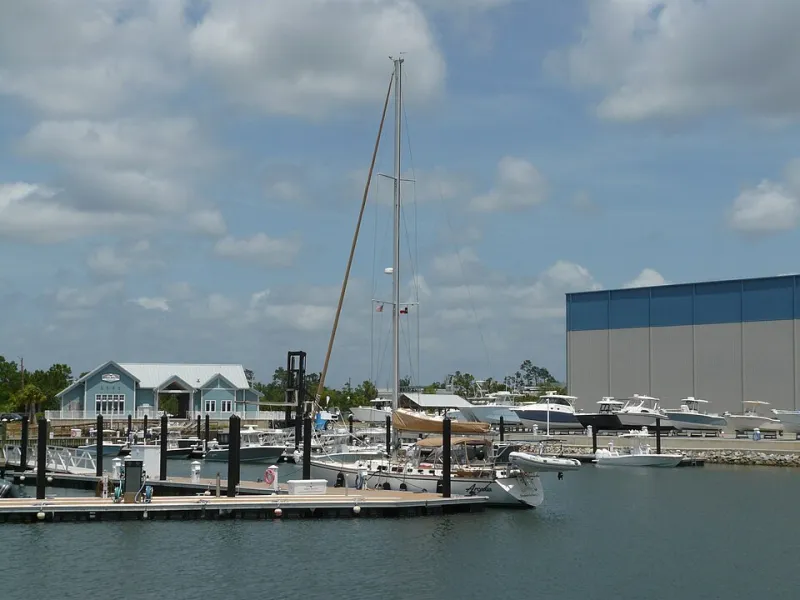
Photo: The Bushranger, CC BY-SA 4.0, via Wikimedia Commons
At some point, the sailing lessons start to feel like they're not enough. You want your own boat. You want to show up when you want, sail where you want, stay out as long as you want. You want to stop renting and start owning.
It's a completely understandable impulse — and a slightly terrifying one, especially if you've never bought a boat before. The good news is that Montauk is one of the best places in the country to make this leap. The local sailing community is deep, the brokerage scene is active, and there's no shortage of experienced sailors who remember exactly what it felt like to be in your shoes and are happy to help.
Here's what you actually need to know before you sign anything.
Start With the Right Question (It's Not "What Boat Do I Want?")
Every first-time buyer wants to jump straight to browsing listings. That's natural. But the brokers and experienced sailors who've guided dozens of newcomers through this process will all tell you the same thing: the first question isn't about the boat. It's about your life.
"Where are you going to keep it? How often will you actually sail? Who's coming with you?" says Brian Fogarty, a marine broker who has worked the East End for over 15 years. "People fall in love with a 40-footer and then realize they're single-handing it every weekend and the thing is exhausting. Or they buy something tiny and then want to take their family to Block Island and everyone's miserable."
Before you look at a single listing, sit down and answer these honestly:
- How many people will typically be on board? A couple sailing weekends is a very different scenario than a family of four with gear for a week.
- What waters will you sail most? Montauk's open Sound and Atlantic exposure favor seaworthy, well-built boats over lightweight racers.
- How much time do you have for maintenance? Older boats are cheaper to buy and more expensive to own. Newer boats flip that equation.
- Are you planning to sleep aboard? Even occasionally? That changes your size requirements significantly.
What Size and Type Actually Makes Sense for Montauk Waters
Montauk sits at the confluence of Block Island Sound and the Atlantic, which means conditions here can build quickly and get genuinely sporty. That's worth keeping in mind when you're sizing up boats.
For most first-time buyers sailing in and around Montauk, a 27- to 35-foot coastal cruiser hits the sweet spot. Big enough to handle the chop in the Sound, manageable enough for short-handed sailing, and — critically — affordable enough that you're not underwater financially if you discover the lifestyle isn't quite what you imagined.
Some designs that come up frequently in conversations with local sailors:
- Catalina 30/320: Hugely popular on the East End for a reason. Stable, forgiving, well-supported parts-wise, and plentiful on the used market.
- Pearson 323 or 365: Older but incredibly well-built. Pearson boats were made in Rhode Island and were designed with East Coast conditions in mind. A well-maintained Pearson is a serious boat.
- Hunter 33: A bit more modern feel, easy to sail short-handed, good headroom below. Popular with couples.
- Beneteau Oceanis series: If your budget stretches a bit further, these French-built boats are comfortable, fast, and handle well in open water.
"Don't let anyone talk you into starting with a racer," says longtime Montauk sailor and sailing instructor Patrice Okafor. "Racing boats are stripped out, uncomfortable, and punishing in a chop. A cruiser will teach you more and make you happier."
The Survey: The One Step You Cannot Skip
Found a boat you love? Great. Now hire a marine surveyor before you do anything else.
A qualified SAMS- or NAMS-certified marine surveyor will spend several hours going over the boat with a level of scrutiny that no listing photo or seller conversation can replace. They'll check the hull for osmotic blistering, inspect the rigging, evaluate the engine, and give you a written report that either confirms the asking price is fair or hands you a negotiating tool worth several times what you paid for the survey.
"I've seen surveys save buyers $15,000 on a $40,000 boat," says Fogarty. "And I've seen them save buyers from buying a boat that should have been scrapped. You never skip the survey."
Budget around $20–$25 per foot for a survey, plus haul-out costs if the boat needs to come out of the water (which it often does). It's money very well spent.
Navigating the Buying Process
Boats in and around Montauk are sold through a mix of channels: local brokerages, online platforms like YachtWorld and Boat Trader, private sales through the marina community, and occasionally through yacht clubs. Each has its pros and cons.
Working with a broker is generally the smoothest path for a first-time buyer. A good broker will help you narrow your search, arrange sea trials, and guide you through the offer and closing process. They're compensated by the seller, so there's no direct cost to you as a buyer.
Private sales can yield better prices but require more due diligence on your part. If you go this route, make sure you still get an independent survey and verify that the title is clean.
A few things to confirm before closing any deal:
- Clean title (no liens on the vessel)
- Current USCG documentation or state registration
- Engine hours and recent service records
- Age and condition of standing rigging (shrouds, forestay, backstay)
- Sail inventory and condition
The Montauk Community Is Part of the Deal
Here's something the listings don't mention: one of the best resources you have as a first-time buyer isn't a broker or a website. It's the sailors who are already out there.
Montauk's year-round sailing community is accessible, opinionated (in the best way), and genuinely invested in helping newcomers get it right. Spend a few Saturday mornings at the docks. Join the local sailing club. Show up at the marina bar after a race and introduce yourself. You'll find people who've owned three or four boats and have strong feelings about all of them, and they'll share those feelings freely.
"I bought my first boat based entirely on advice from a guy I met at the dock," says Okafor. "He'd owned the same model for ten years and knew every quirk. That conversation was worth more than any survey."
One Last Thought Before You Sign
Buying a boat changes the way you relate to a place like Montauk. It's not just a destination anymore — it's a home port. The harbor becomes familiar in a different way. The weather becomes personal. The community becomes yours.
That's worth a lot. Just make sure you've done your homework first.