Caught This Morning, On Your Plate by Noon: How to Eat Like a Local in Montauk
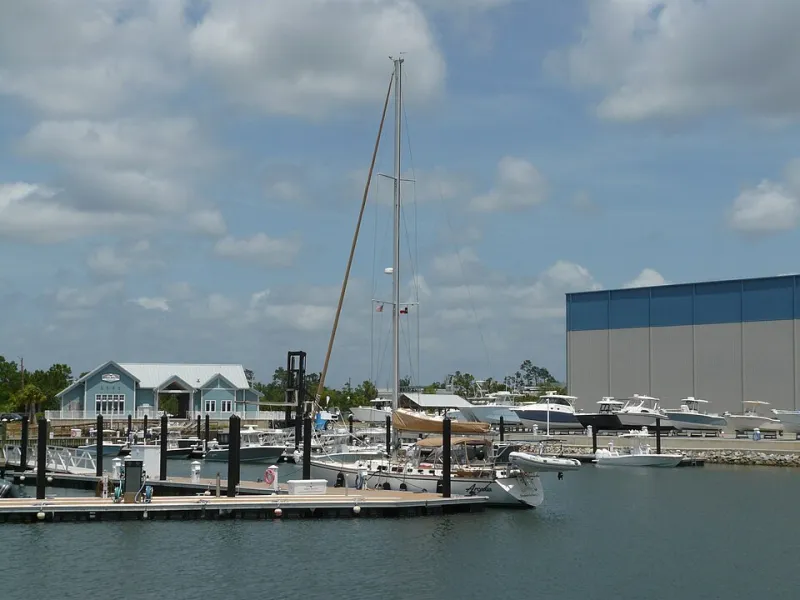
There's a moment that happens at Montauk Harbor on a good morning — usually somewhere between 6 and 8 a.m. — when the commercial boats are pulling back in and the smell of salt water and diesel mingles with something altogether more appetizing. That's the smell of a working fishing port doing what it does best. And if you're smart about it, whatever those boats are carrying can be on your table — or in your galley — within a few hours.
Montauk isn't just a sailing destination. It's one of the last genuinely active commercial fishing ports on the East Coast, and that distinction shapes everything about the way people eat here. The connection between the ocean and the dinner plate isn't a marketing angle. It's just how things work.
Start at the Source: Montauk's Working Fish Markets
If you've never walked into a proper fish market at the end of a working dock, you're missing something. These aren't the sanitized, shrink-wrapped counters you find at a grocery store. They're loud, cold, and honest — and the fish is extraordinary.
Gosman's Dock has been a Montauk institution since 1943, and while the complex has grown into a full waterfront destination over the decades, the fish market at its core still operates the old-fashioned way. You'll find striped bass, fluke, sea scallops, and whatever else came off the boats that morning. The staff can tell you exactly where it was caught, because they know the captains personally.
Stuart's Seafood Market in Amagansett — just a short drive from Montauk proper — is another essential stop. It's a family operation with deep roots in the East End fishing community, and the quality is consistently exceptional. Sailors stocking up before a multi-day run often make Stuart's their last provisioning stop before heading out.
For those keeping a boat in the harbor and wanting to cook aboard, this is the move. Fresh local fish doesn't need much: a little butter, some lemon, maybe a cast iron pan on the galley stove. The ocean already did the heavy lifting.
The Dockside Experience: Eating Where the Boats Come In
Not everyone wants to cook, and that's perfectly reasonable — especially after a long day on the water. Montauk's dockside dining scene has a character that's hard to find anywhere else. It's unpretentious in the best possible way.
Gosman's Restaurant, sitting right on the dock, is the classic choice. The lobster rolls are the real deal — generous, fresh, and served with a view of boats coming and going that makes the whole meal feel earned. It gets crowded in summer, but there's a reason for that.
Duryea's Lobster Deck offers one of the most genuinely scenic waterfront dining experiences in all of New York. You're eating at the edge of the water, with boats tied up nearby and the kind of light that makes everything look like a painting. The menu leans heavily on whole lobsters and raw bar selections, and the sourcing is as local as it gets. It's the kind of place where you don't need a reservation so much as you need patience and good timing.
For something a little more casual, the food trucks and seasonal stands near the dock area serve up fried clams, fish tacos, and chowder that punch well above their weight class. Don't overlook them.
Fishermen Who Cook: The Farm-to-Table Parallel at Sea
There's been a lot of talk over the past decade about farm-to-table dining, but Montauk has been operating on a boat-to-table philosophy for far longer than that trend had a name. Some of the area's best restaurants are run by people with direct ties to the fishing community — chefs who grew up on the water, or restaurateurs who have personal relationships with specific boat captains.
The Dock and several of the smaller, chef-driven spots that have opened along the South Fork in recent years are built on exactly this model. The menu changes based on what came in that day, not what was ordered from a distributor. That kind of cooking requires a different kind of flexibility from the kitchen — and a different kind of trust from the diner.
When you eat at a place like this, you're not just having dinner. You're participating in an ecosystem that supports local fishermen, keeps traditional maritime livelihoods viable, and preserves something genuinely irreplaceable about this stretch of coastline.
Provisioning Your Boat the Right Way
For sailors planning to spend time on the water, Montauk's food culture offers a real advantage. Fresh seafood keeps well when handled correctly, and there's something deeply satisfying about cooking a meal aboard that was swimming in the Atlantic twelve hours ago.
A few practical notes for galley provisioning:
- Buy whole fish when possible. Whole fish stay fresher longer than fillets. Learn to break them down yourself — it's a useful skill and a money-saver.
- Bring a good cooler or ice chest. The markets will pack your fish properly, but you want to keep it cold from the moment you leave.
- Ask about the catch of the day. Whatever's most abundant is usually the freshest and the best value. Don't get locked into one species.
- Don't skip the shellfish. Montauk's clams and oysters are exceptional, and they're easy to prepare aboard — even a simple steam with white wine and garlic works beautifully.
Why This All Matters Beyond the Meal
There's a version of Montauk that's purely about the sailing — the wind, the navigation, the anchorages, the freedom of being offshore. And that version is real and worth celebrating. But the full picture includes the community that makes this place what it is, and a big part of that community is the commercial fishing fleet.
When you buy directly from a local fish market, eat at a restaurant that sources from local boats, or tip well at the dockside stand, you're doing something that matters. The working waterfront in Montauk — like working waterfronts everywhere — is under pressure from development, regulation, and the economics of a changing industry. Supporting it with your dollars is one of the most direct ways to help keep it alive.
And honestly, it's also just the best way to eat. There's no version of a seafood dinner that beats one made from fish that came off a boat you can see from the restaurant window.
Montauk will feed you well if you let it. All you have to do is show up hungry and pay attention to where the boats are coming in.